
Barcelona
.jpg)
Search villas and apartments in Barcelona by size
Barcelona
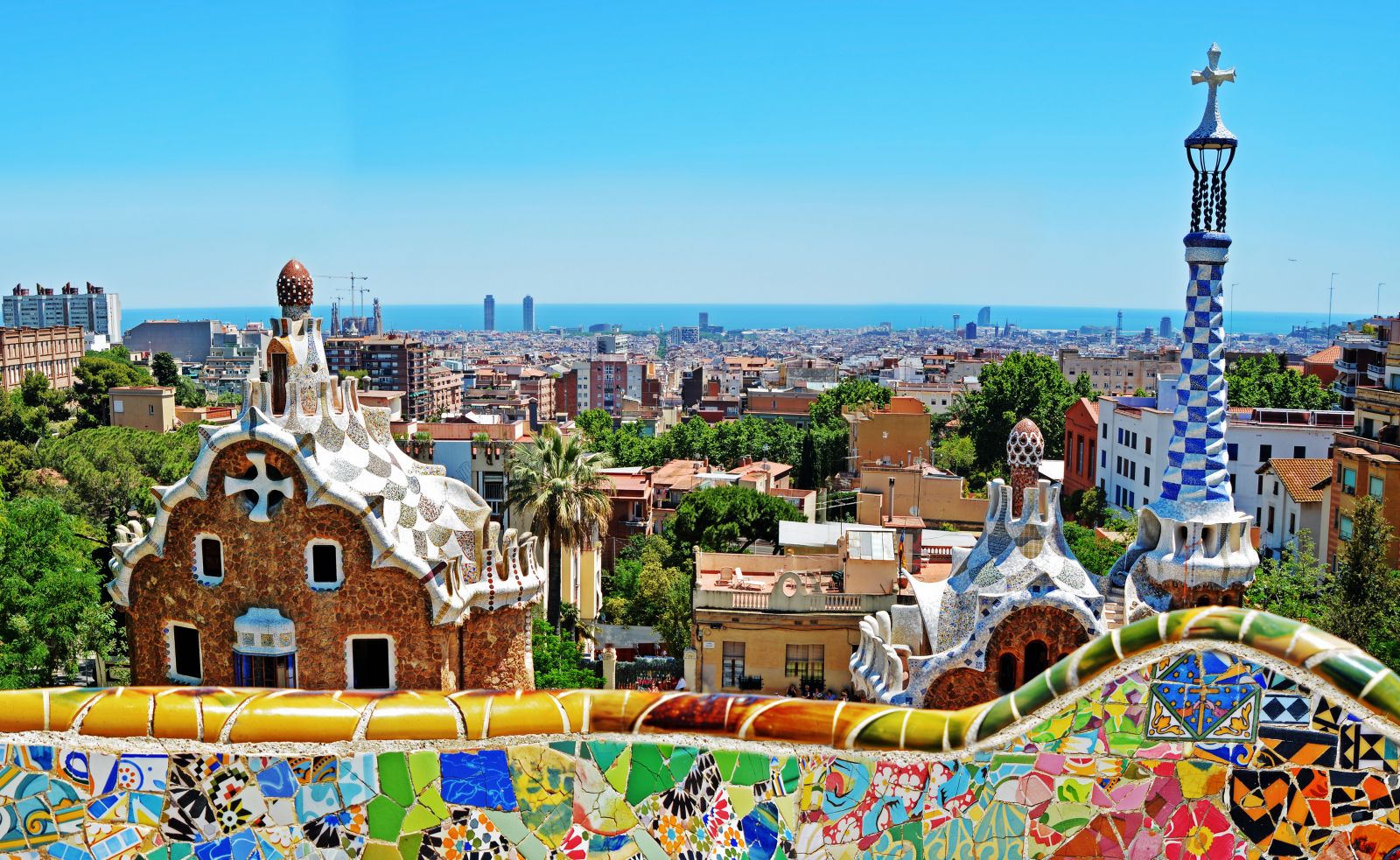
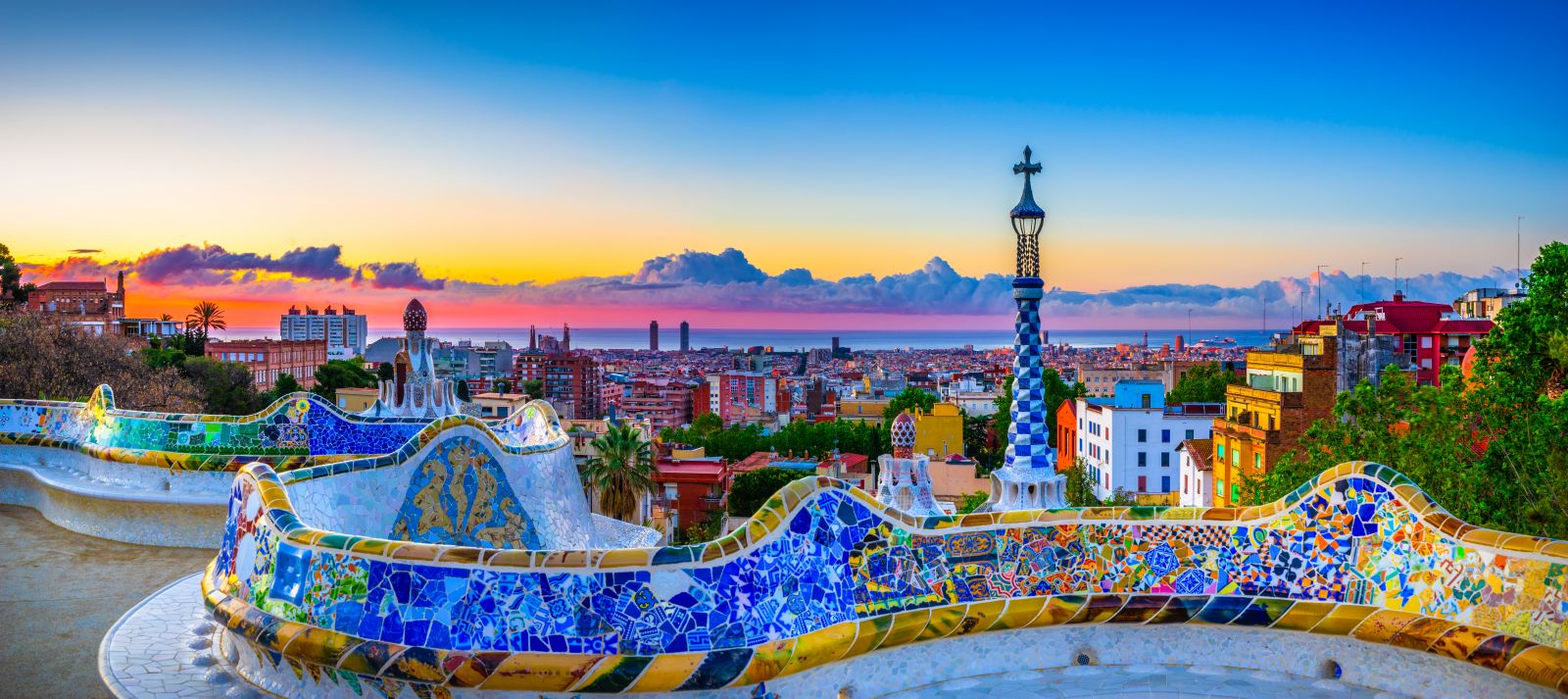
A cultural powerhouse wedged between mountains and the sea, Barcelona fizzes with style, good looks and energy; not to mention two thousand years of history. You’ll find ancient city walls, a striking Gothic quarter and fabulous art including works of Catalan Modernism by Gaudi and museums devoted to Pablo Picasso and Joan Miró.
This proudly Catalan capital is also one of Europe’s best beach cities, offering some 5km of sun-kissed sands. Beachside strolls and bike rides are always an enticing proposition, or you can hop on a boat to take in the city from the water.
The fun doesn’t stop when the sun goes down - Barcelona has some of the best nightlife on the continent. Head out from your apartment rental for sunset tapas followed by a late dinner, drinks and dancing. And remember, things rarely start going until midnight!
The beaches are beautiful year-round in Barcelona and even in winter, sunny days make al fresco dining a real possibility. The jewel in Barcelona’s sandy crown is Barceloneta Beach. Lively and accessible, it’s the perfect place to soak up the energy of the city and try out water sports including windsurfing and kitesurfing.
Families love Nova Icària Beach, which offers warm, shallow waters and a plethora of beach sports from table tennis to beach volleyball. For a beach with local flavour, laid-back Nova Mar Bella Beach, with its selection of excellent beach bars, is your best bet.
For a quieter slice of beach life leave your Barcelona rental behind and head outside the city. Both Castelldefels and Oata Beach are a short train ride north and offer uncrowded golden sands.
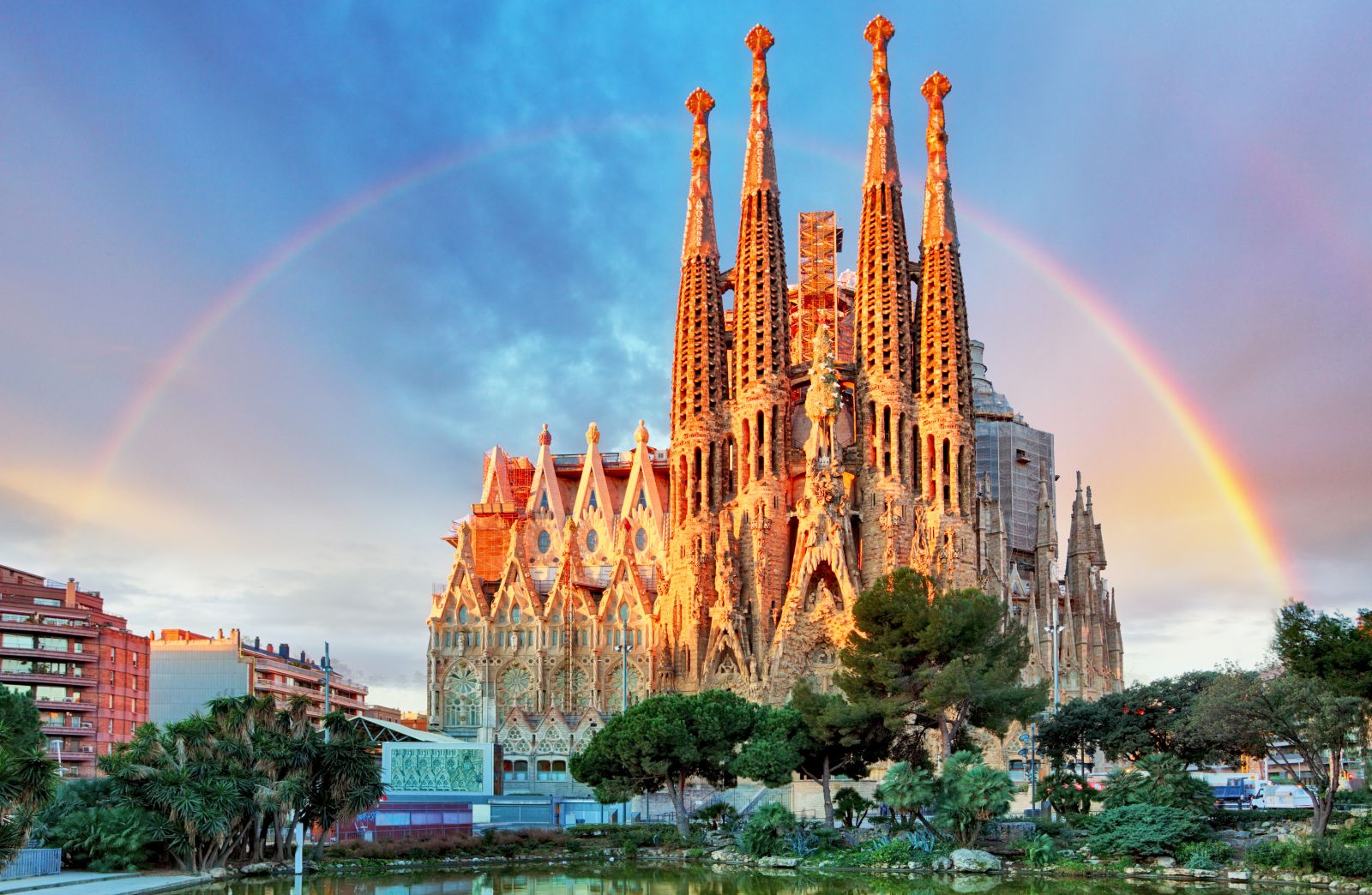
Your apartment in Barcelona puts you at the heart of one of Europe’s greatest cities, with an architectural pedigree to make your head spin. Start at the famous tree-lined boulevard Las Ramblas, before diving into the city’s maze-like Gothic Quarter, and then on to the fantastical spires of the La Sagrada Família cathedral.
Want to get an art fix? The Picasso Museum features the artist's early works as well as Blue Period masterpieces, while the Fundació Joan Miró on Barcelona's Montjuïc Mountain hosts the world’s biggest collection of Miró’s work.
If you’re in the city between September and May, see if you can score a ticket for a FC Barcelona match at Camp Nou or visit the Barca Stadium Tour and Museum for an interactive glimpse into the lives of the city’s heroes.
There’s something to suit every taste and budget in Barcelona, so make sure your holiday rental has plenty of space to stash the goods! If you’re after designer gear, Barcelona’s most exclusive stores lie along Passeig de Gracia. For something cheaper you’ll find one-off boutiques, vintage clothing and vinyl around the streets of El Born, El Raval and the Barri Gòtic.
El Corte Inglés department store is a sprawling temple to consumerism bang in the city centre, while La Roca Village, just outside Barcelona, is a discount outlet with bargains from both Spanish and International designers.
If haggling’s up your street, Barcelona’s street markets are a treat. Mercat del Encants sells everything from old crockery to vintage books to valuable antiques.
Heading out for pre-dinner drinks and tapas is a Barcelona must-do. The Barri Gòtic is packed with tapas bars serving treats such as squid, pan tomaquet (tomato bread) and la bomba (fried potato croquette stuffed with beef).
There are enough fine-dining restaurants to make a serious dent in your finances but simple can be just as delicious. The fish cafes of Barceloneta serve food that’s uncomplicated but full of flavour, while bohemian Gracia is the place to go for traditional Catalan cuisine.
La Boqueria Market is legendary, not only for its mountains of fresh produce, but also for its tiny eateries, where you can grab everything from an enormous Catalan breakfast to a platter of fresh jumbo prawns.
Your family-friendly apartment will be within easy reach of neighbourhood parks and playgrounds, and a short walk or metro ride from the city’s best museums and family attractions.
If your kids are nature lovers, they’ll be fascinated by the massive ocean tank and underwater walkway at the city’s Aquarium, or the collection of primates and Komodo dragons at the Parc Zoológic, which has a handy park next door for blowing off steam.
Prefer museums? CosmoCaixa is full of cool interactive science exhibits such as an indoor rainforest and a wave simulator, while the Maritime Museum features interactive displays and a mockup of an early submarine.
Location
Weather
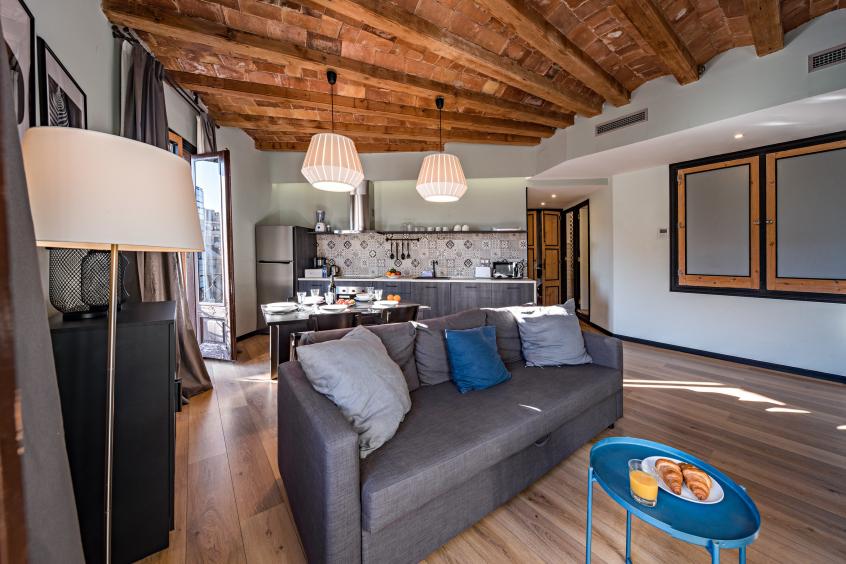
Apartment in Barcelona
Lovely 3-bedroom apartment in the central Eixample area of Barcelona. There are 3 bedrooms,...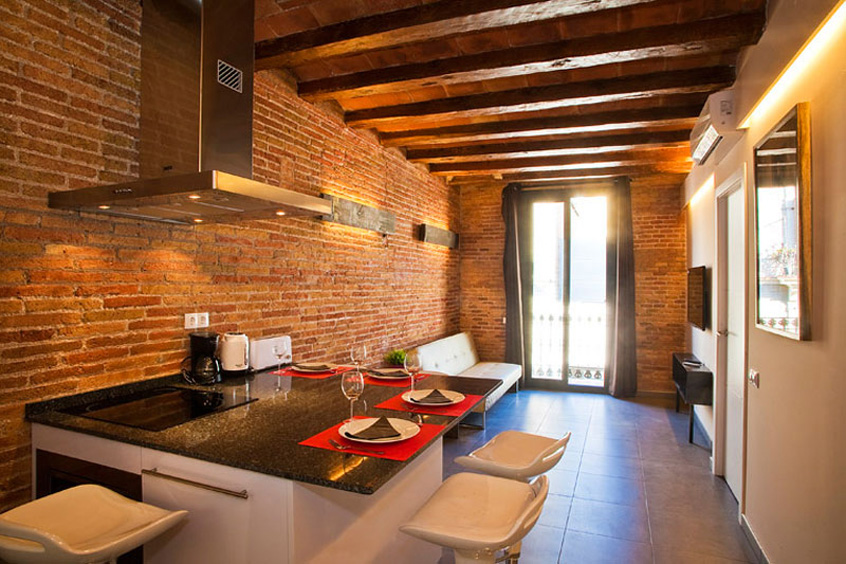
Apartment in Barcelona
A second floor 2-bedroom apartment to rent in Sants, Barcelona. It is characteristic with original...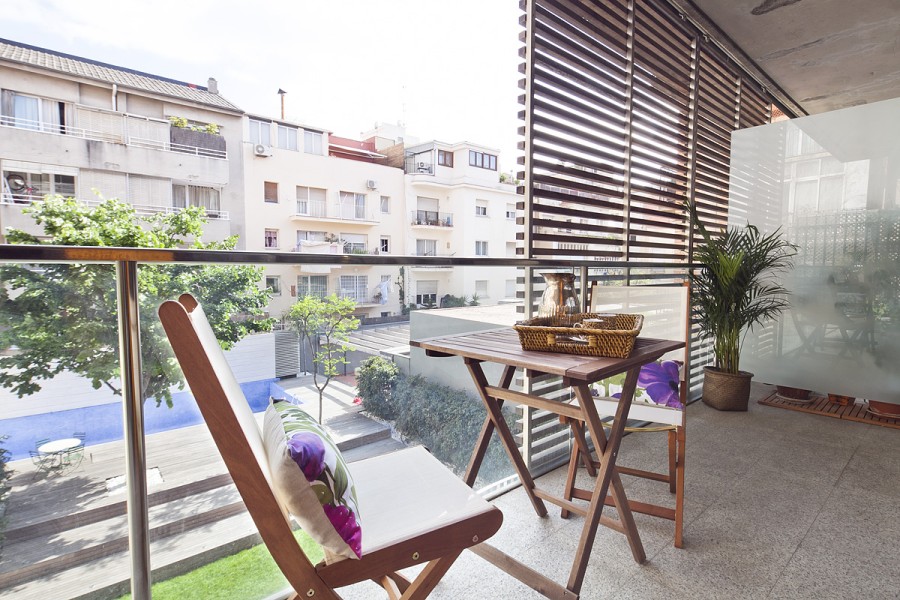
Apartment in Barcelona
A first floor, 3-bedroom apartment to rent in Sarria, Sant Gervasi, Barcelona. Located in a...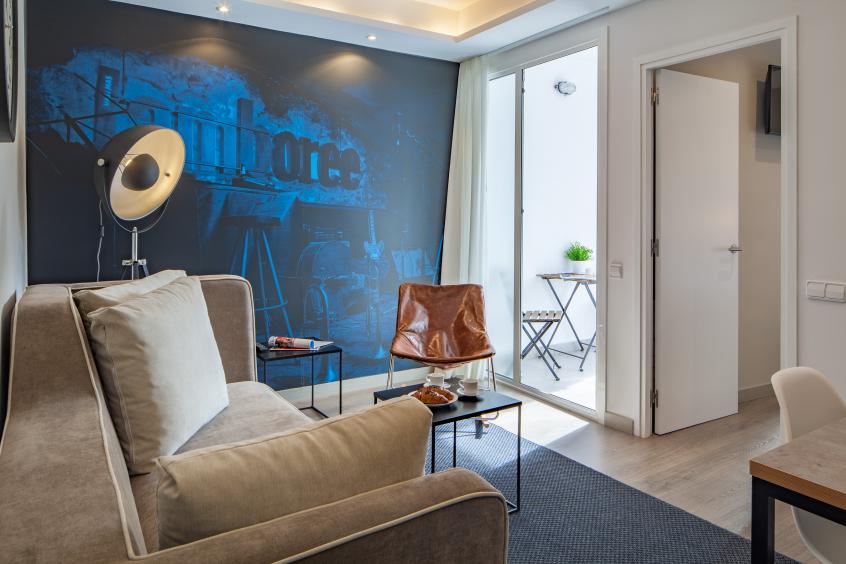
Apartment in Barcelona
A second floor, 2-bedroom apartment in the Sagrada Familia area, Barcelona. These apartments...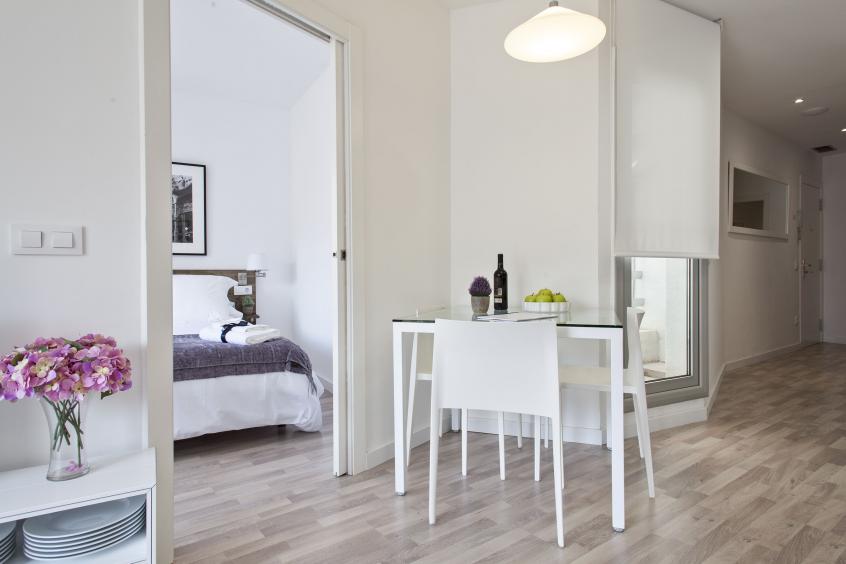
Apartment in Barcelona
A fourth floor, 2-bedroom apartment to rent in Sants area, Barcelona. This is the ideal location...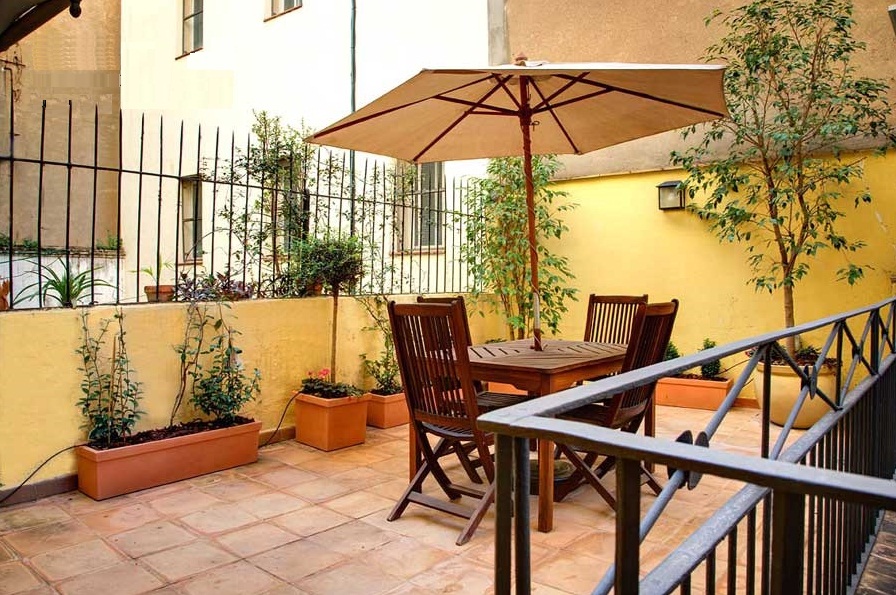
Apartment in Barcelona
A large and elegantly decorated apartment, retaining some of its original 19th-century features...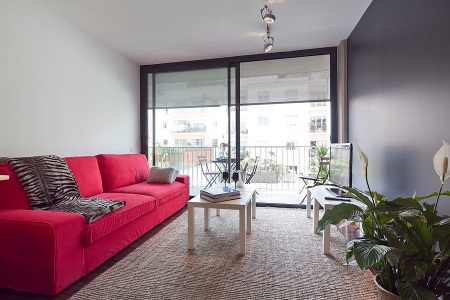
Apartment in Barcelona
A two bedroom Barcelona apartment with a small terrace overlooking a garden area where you...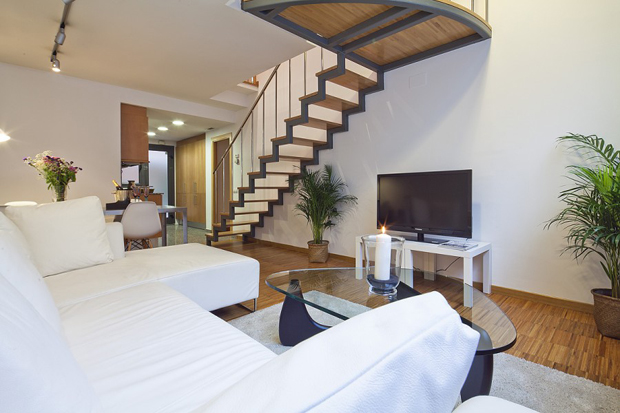
Apartment in Barcelona
A beautiful duplex on two floors with a terrace. An ideal place to take a break after an active...