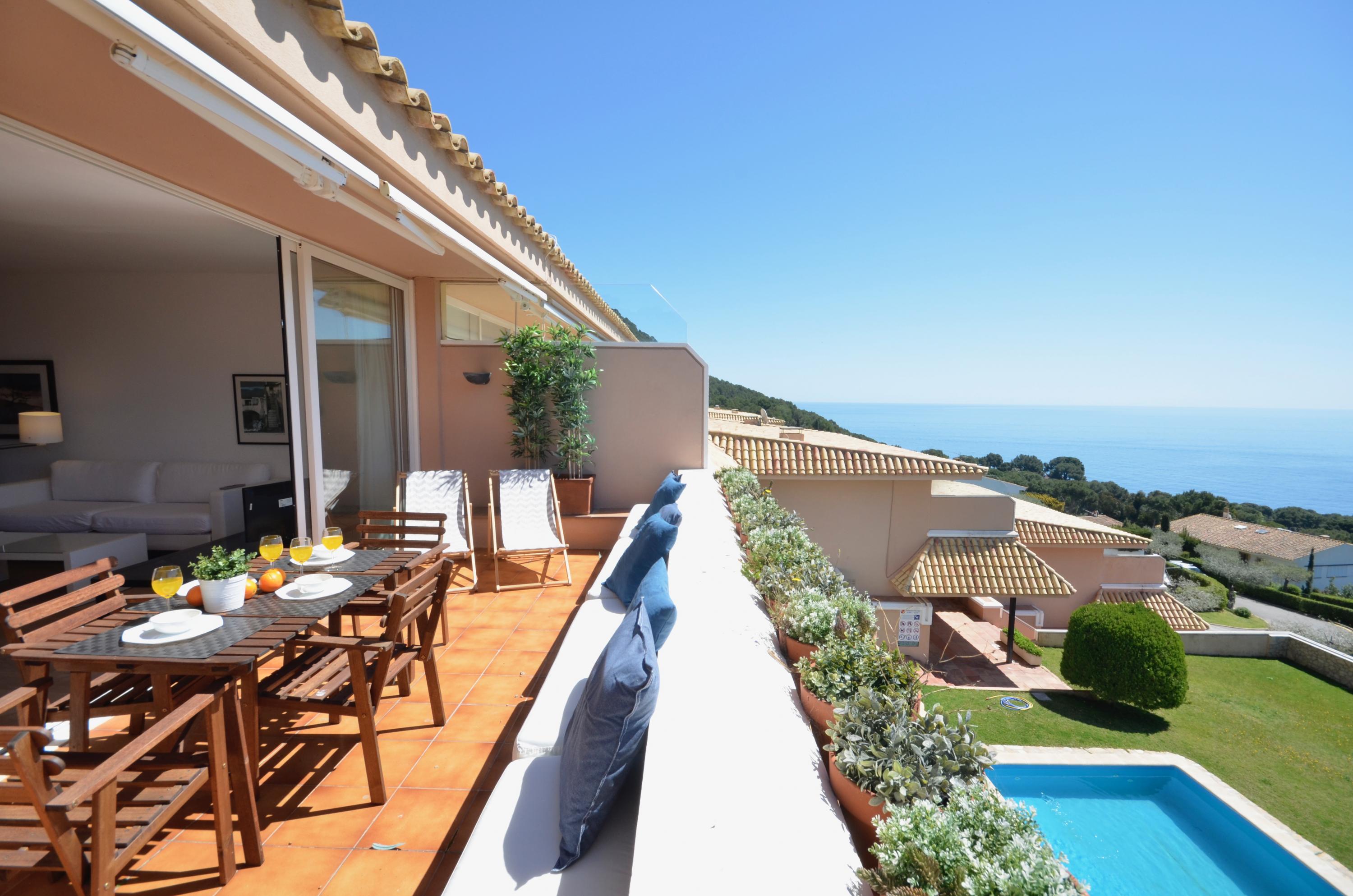

Aiguablava
Search villas and apartments in Aiguablava by size
Aiguablava
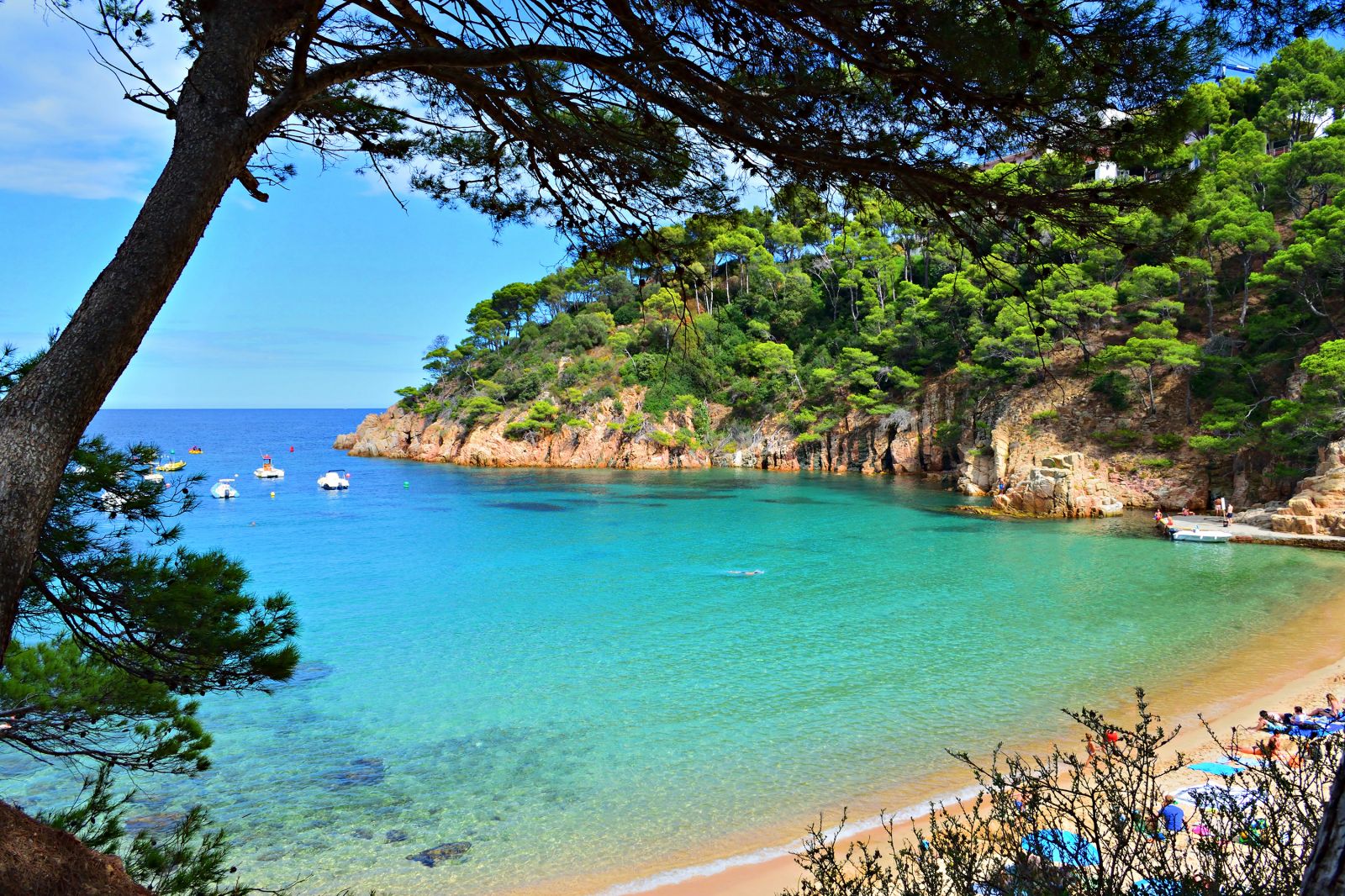
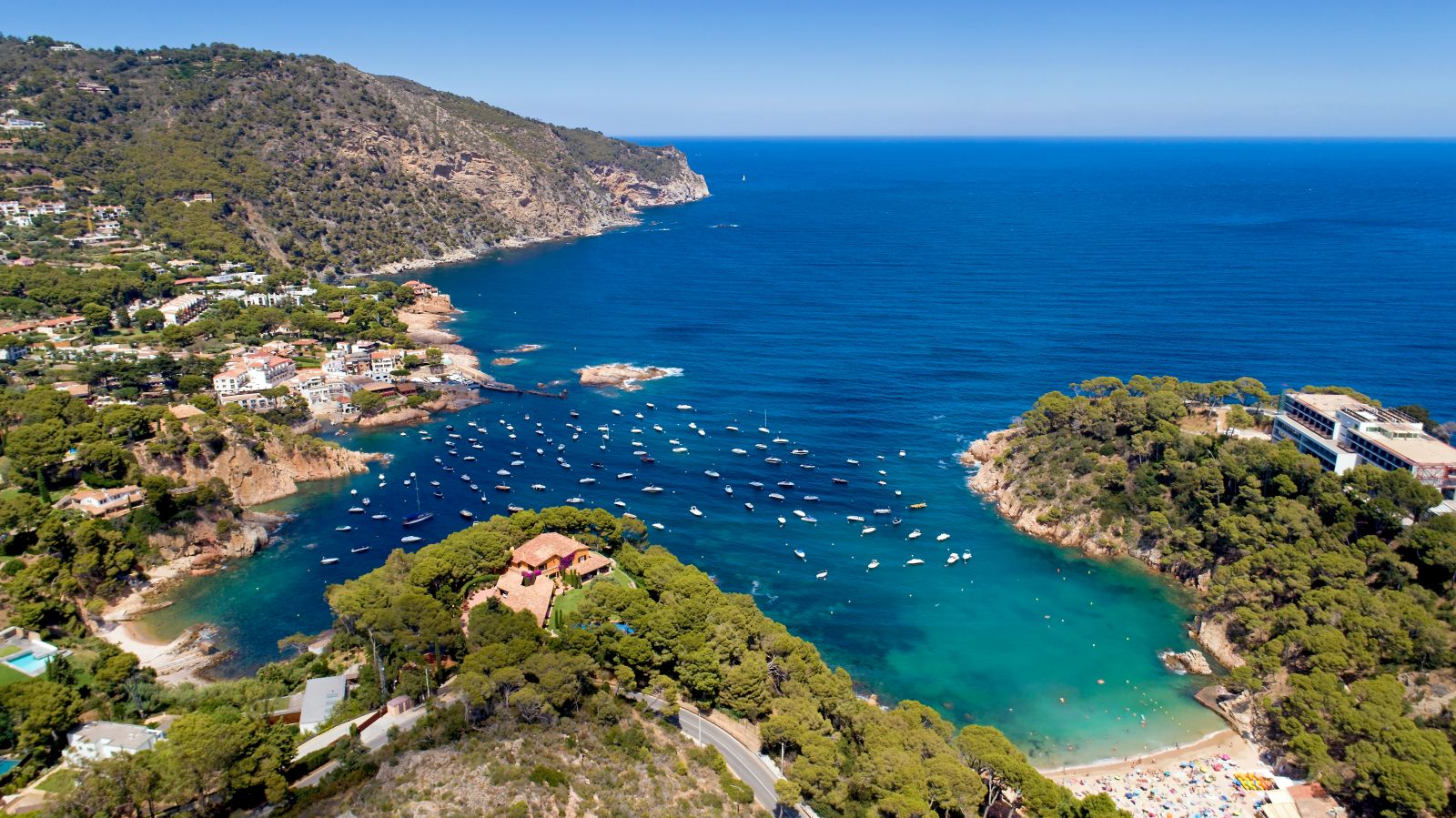
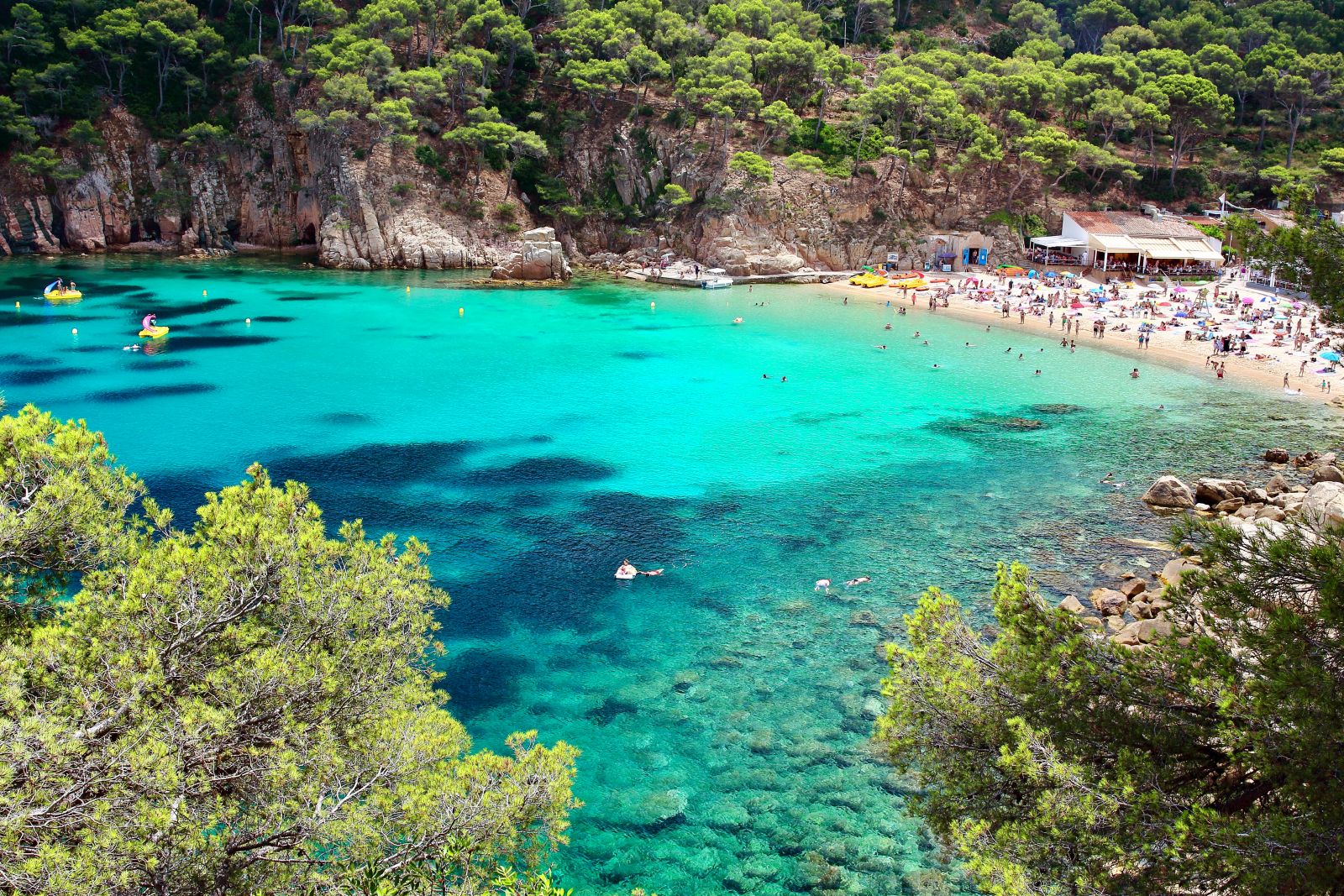
A spectacular turquoise bay backed by cliffs and pine forest, Aiguablava serves up laid-back beach holidays with style. Think balmy weather, stunning sands and a hinterland dotted with medieval towns, vineyards and villages. It’s a beguiling mix that attracts a chic sailing set as well as families in search of a slice of Catalan life.
If spending time by the ocean is your main priority, villas in Aiguablava are just the ticket. There’s an abundance of golden sand, while translucent waters and vibrant marine life mean that donning a mask and snorkel is always a good idea.
Rather explore on foot? Follow cliffside walking trails to secluded picnic spots, crowd-free coves and top-notch seafood restaurants. It’s no surprise that this is one of the best-loved spots on the Costa Brava.
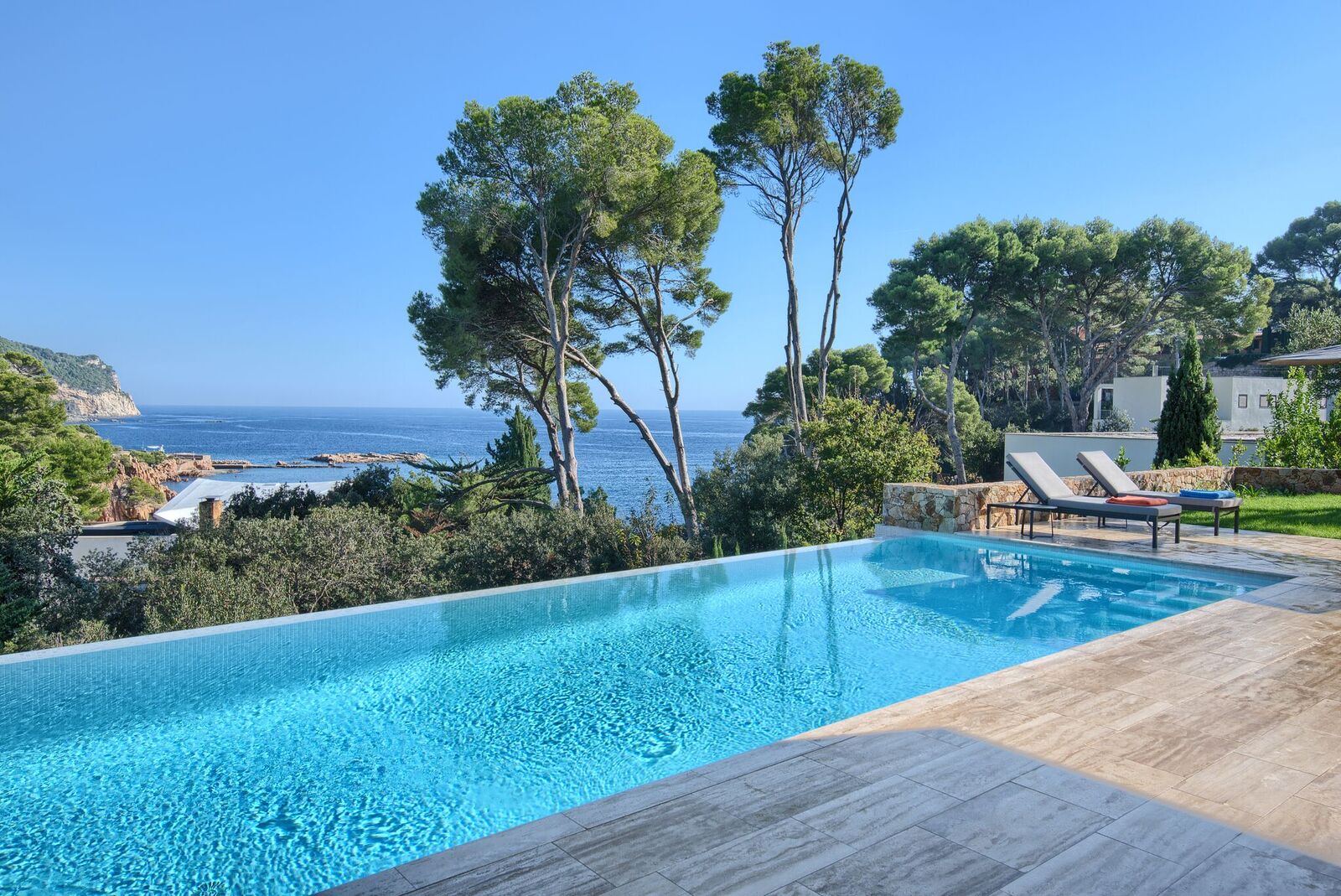
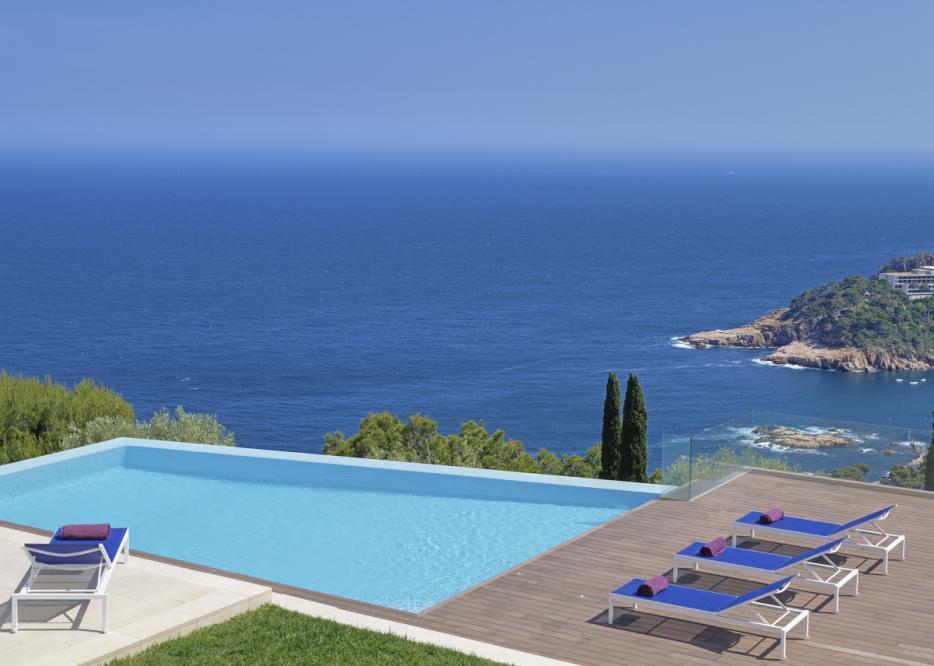
Most people come to the Costa Brava for the beaches and those around Aiguablava don’t disappoint. Transparent water backed by soaring cliffs is the norm, with many villa rentals close to the sea to make the most of outstanding Mediterranean views.
Beautiful Aiguablava Beach is a top mooring spot for luxury boats and yachts, but is equally popular with kayakers and snorkellers, thanks to its dazzling turquoise waters. Follow the coastal path north and you’ll reach Fornells Beach, well known for its small harbour and petite coves. A little further on, Platja Fonda’s dark sands are quieter and more secluded - the perfect place to hide away with a book!
Fancy keeping things active? Surfers and windsurfers are drawn to the waves of nearby Platja del Raco. Sign up for a lesson or join the beach volleyball players on the shore.
A villa holiday in Aiguablava can be as laid-back or action-packed as you like. Spend your time paddling, beach hopping and enjoying local fish restaurants. Or test your thighs on the many cliffside hikes or biking trails.
This is an area rich in history and culture so getting out to discover local towns and villages is well worth the effort. Nearby Begur has Moorish and Spanish architecture topped with a crumbling old castle. While Girona is a medieval gem full of churches, museums and cobblestones, including a fascinating Jewish Quarter.
There’s no shortage of water sports on offer. Ramp up the adrenalin with a windsurf lesson or hire a kayak and explore the coastline. Sailing trips, meanwhile, are the perfect way to kick back and relax. Refreshments are usually included and if you time it right you’ll catch a spectacular sunset.
There’s a handful of quaint shops nearby but for a wider choice, Begur is your best bet - you could even pick up some quirky local crafts at the weekly market. Looking for big name brands and high street stores? Parco d’Aro is a large shopping centre where you can indulge in air-conditioned retail therapy to your heart’s content.
For high end fashion, vintage stores and gourmet treats, style-conscious Girona should be your destination of choice.
Seafood is king in Aiguablava. Restaurants everywhere serve traditional paella studded with shellfish, but make sure to try preserved anchovies, red lobster from Begur and gilt-head sea bream, which is best served grilled or baked in a salt crust. Fish not your thing? You’ll find delicious cured meats everywhere, especially on local tapas plates.
Nestled in the hills and fields surrounding Aiguablava are a handful of stunning wineries, where tasters are always welcome, and reds are a speciality. For fine dining, Girona’s medieval walls contain some of the best restaurants in Spain, from triple-Michelin starred dining at El Celler de Can Roca to lively tavernas serving pintxos for just a few Euros.
If you fancy a night in at your Aiguablava holiday home, you’ll find everything you need in nearby supermarkets, while the weekly market at Begur offers plenty of produce fresh from local farms.
Aiguablava’s family-friendly villas are perfect for kids, thanks to perks such as swimming pools, expansive gardens and landscaped gardens with space to roam. It would be easy to spend all day soaking up the sea views, but you can also find everything from playgrounds to water parks a short drive away.
When you do get away from your villa rental, the waters at Aiguablava Beach are calm, clear and gently shelving. Throw in a couple of restaurants serving excellent ice cream and you’ve the perfect recipe for a beach day with little ones!
For an outdoorsy family day out, make for the Natural Park of Montgrí, the Medes Islands and the Baix Ter, where you can explore dunes and bird-filled wetlands on foot, by bike or on horseback.
Location
Weather
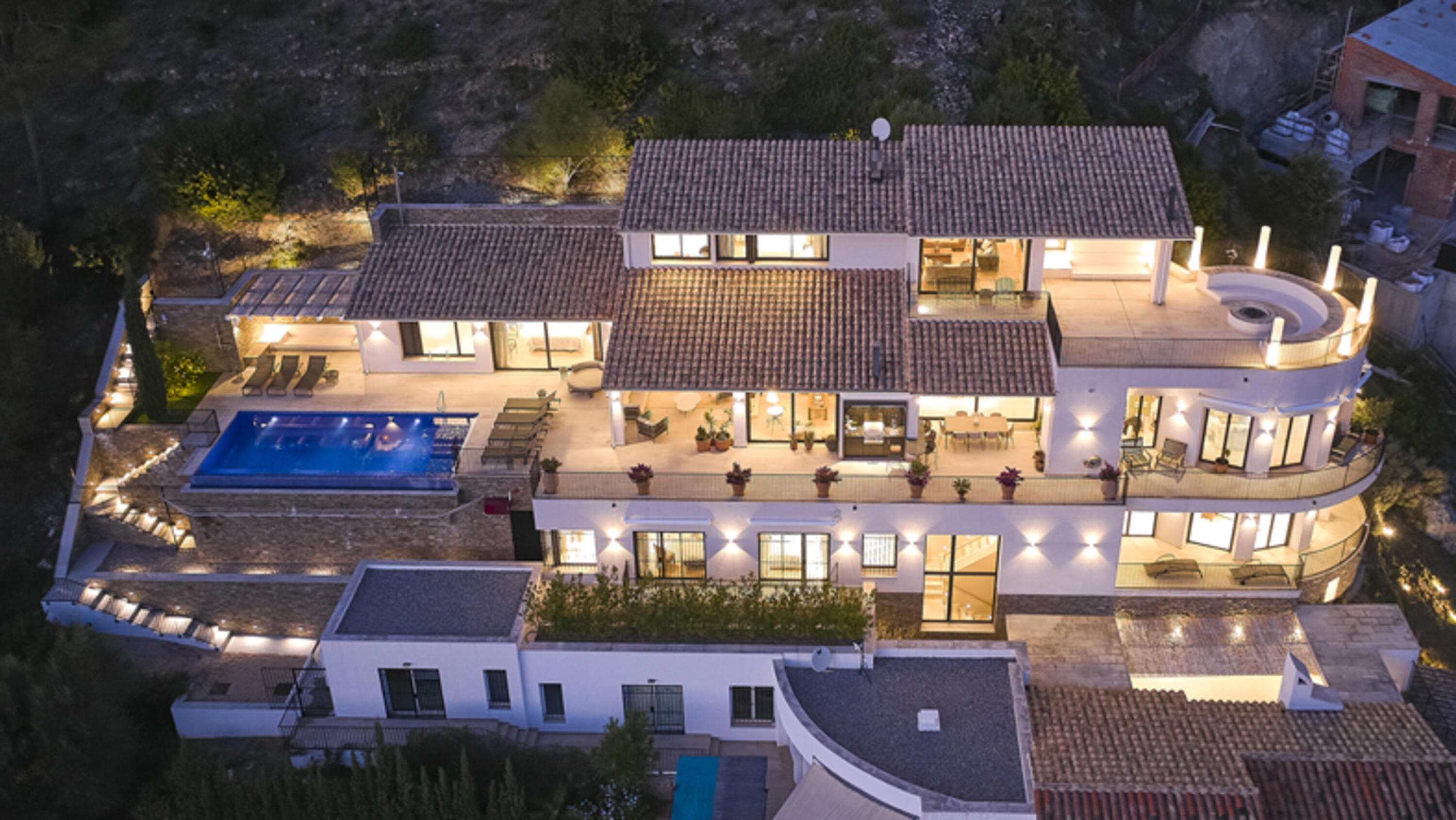
Villa to rent in Aiguablava
Beautiful property offering stunning sea views, located approximately 2km from the idyllic...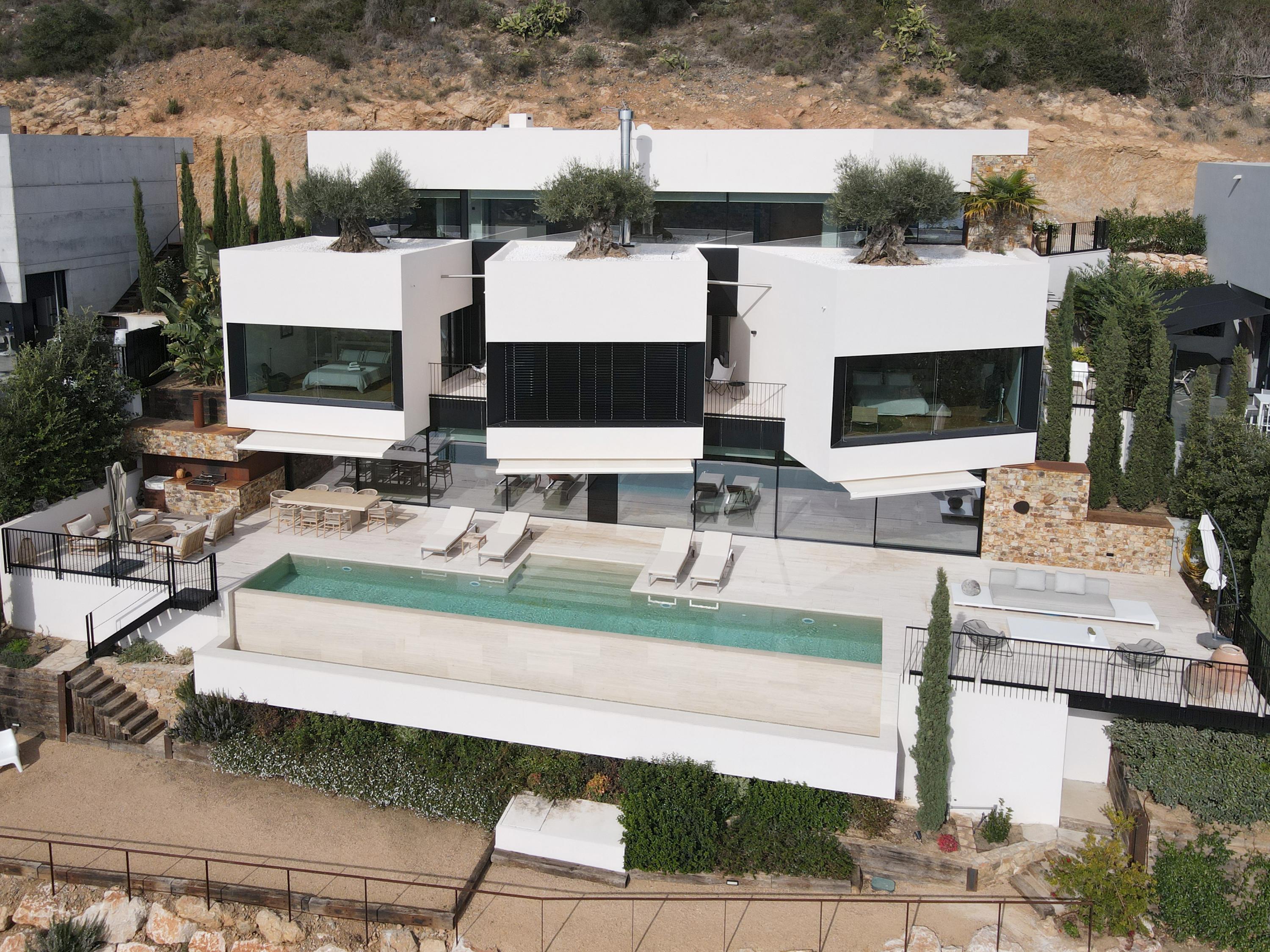
Villa to rent in Aiguablava
Modern, newly built, 4 bedroom villa in Aigublava. This stunning property offers accommodation...
Villa to rent in Aiguablava
Beautiful 3 bedroom villa in Aiguablava. The first floor comprises of a spacious living/dining...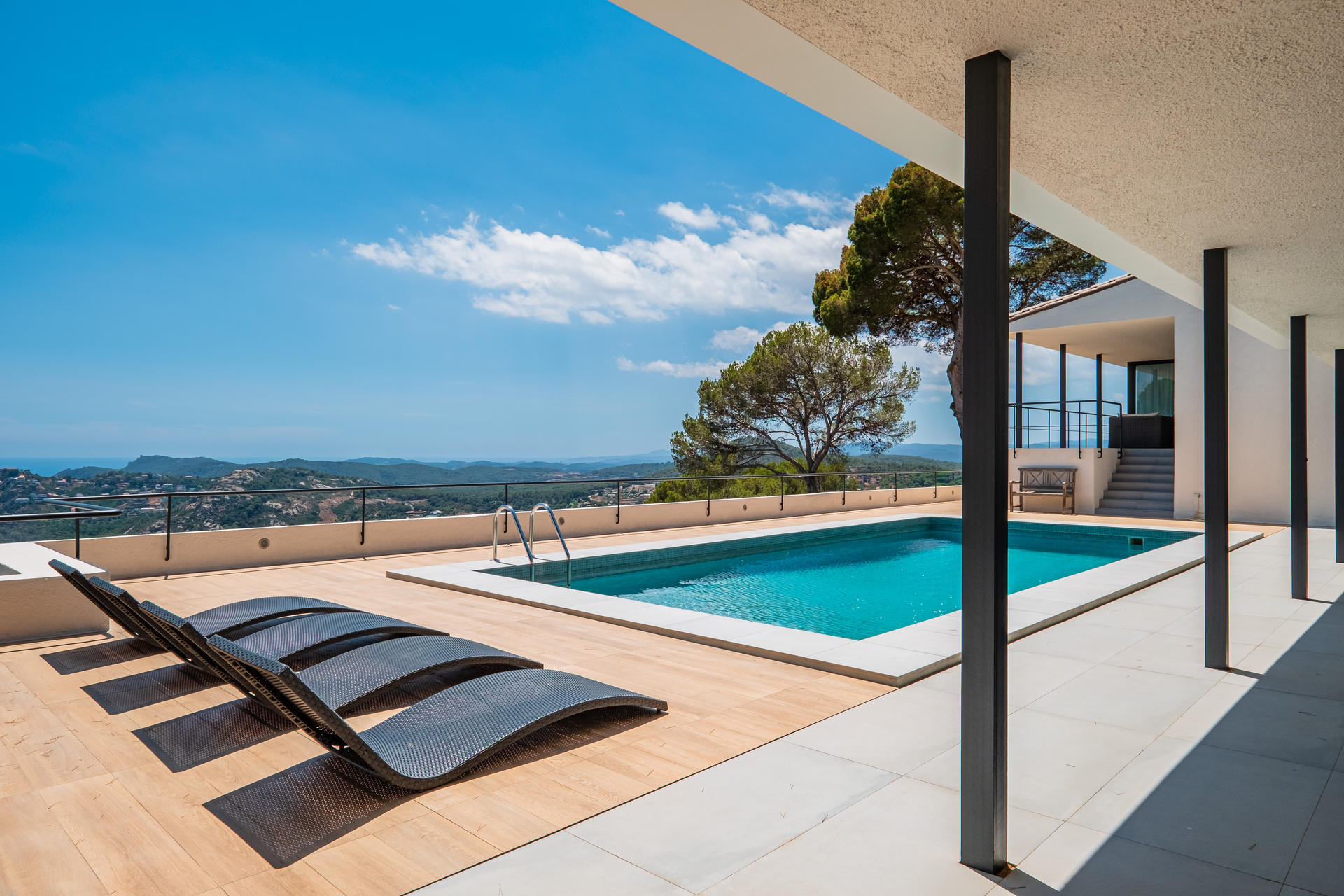
Villa to rent in Aiguablava
Beautiful 3 bedroom villa in Aiguablava. The first floor comprises of a spacious living/dining...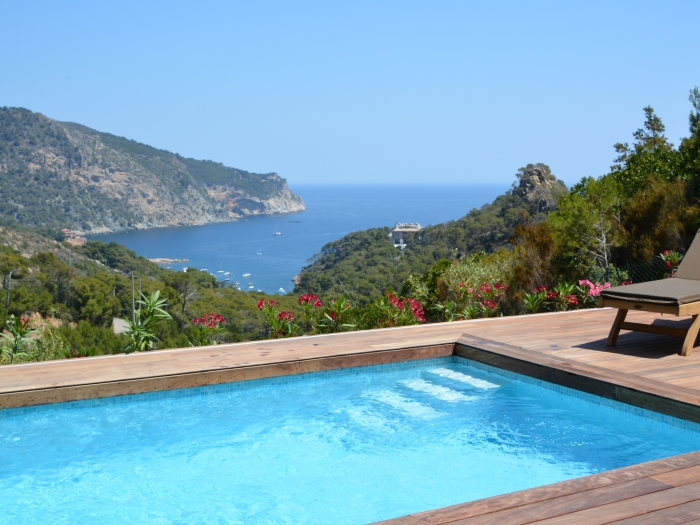
Villa in Aiguablava
4 bedroom villa in Aiguablava. This villa is divided into 2 independent fully equipped apartments....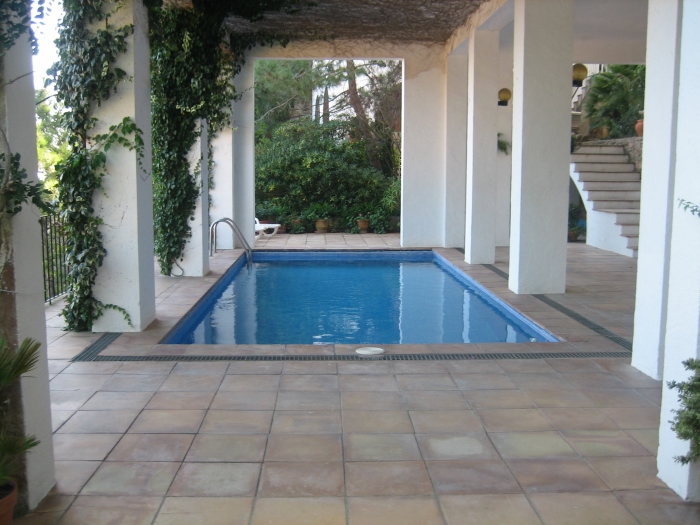
Villa in Aiguablava
This five double bedroom villa enjoys one of the most stunning views on the whole coast. The...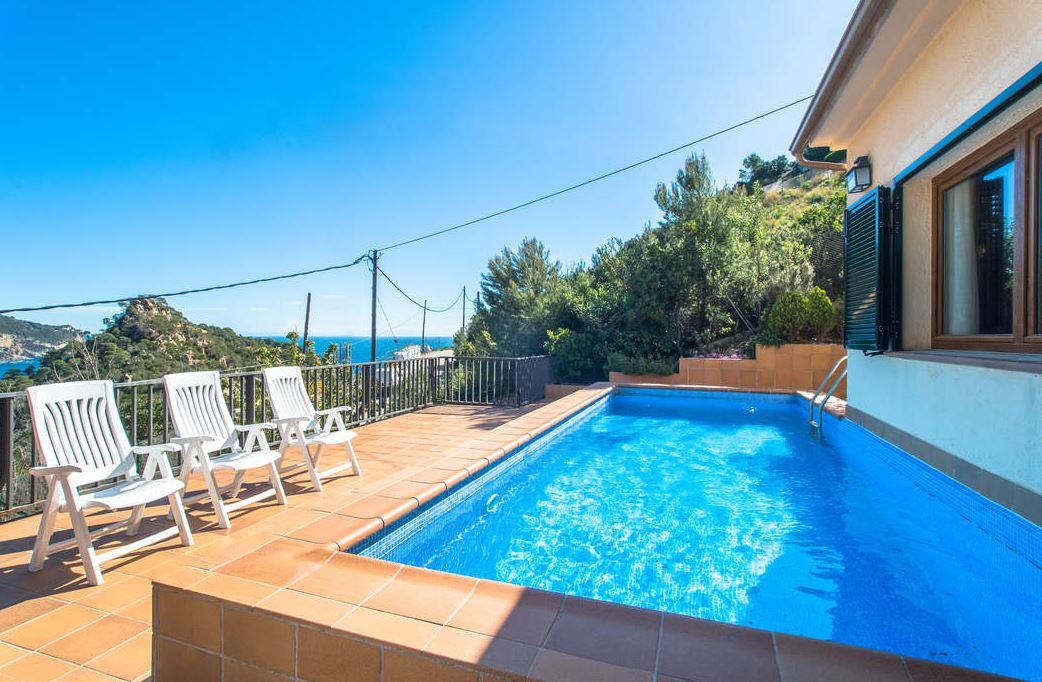
Villa in Aiguablava
This charming 4-bedroom house is situated a 2 minute drive from the beach of Aiguablava and...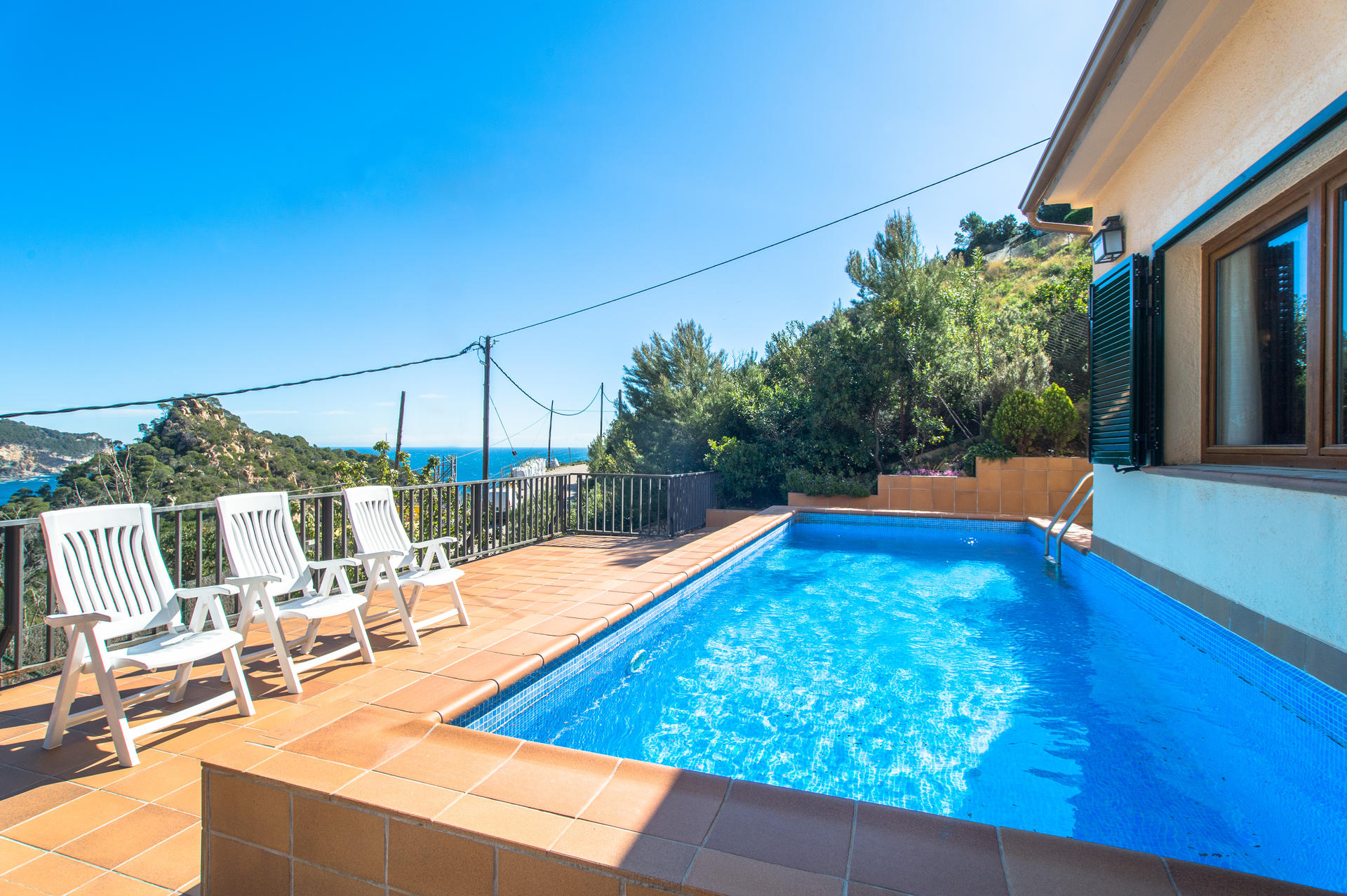
Villa in Aiguablava
This charming 4-bedroom house is situated a 2 minute drive from the beach of Aiguablava and...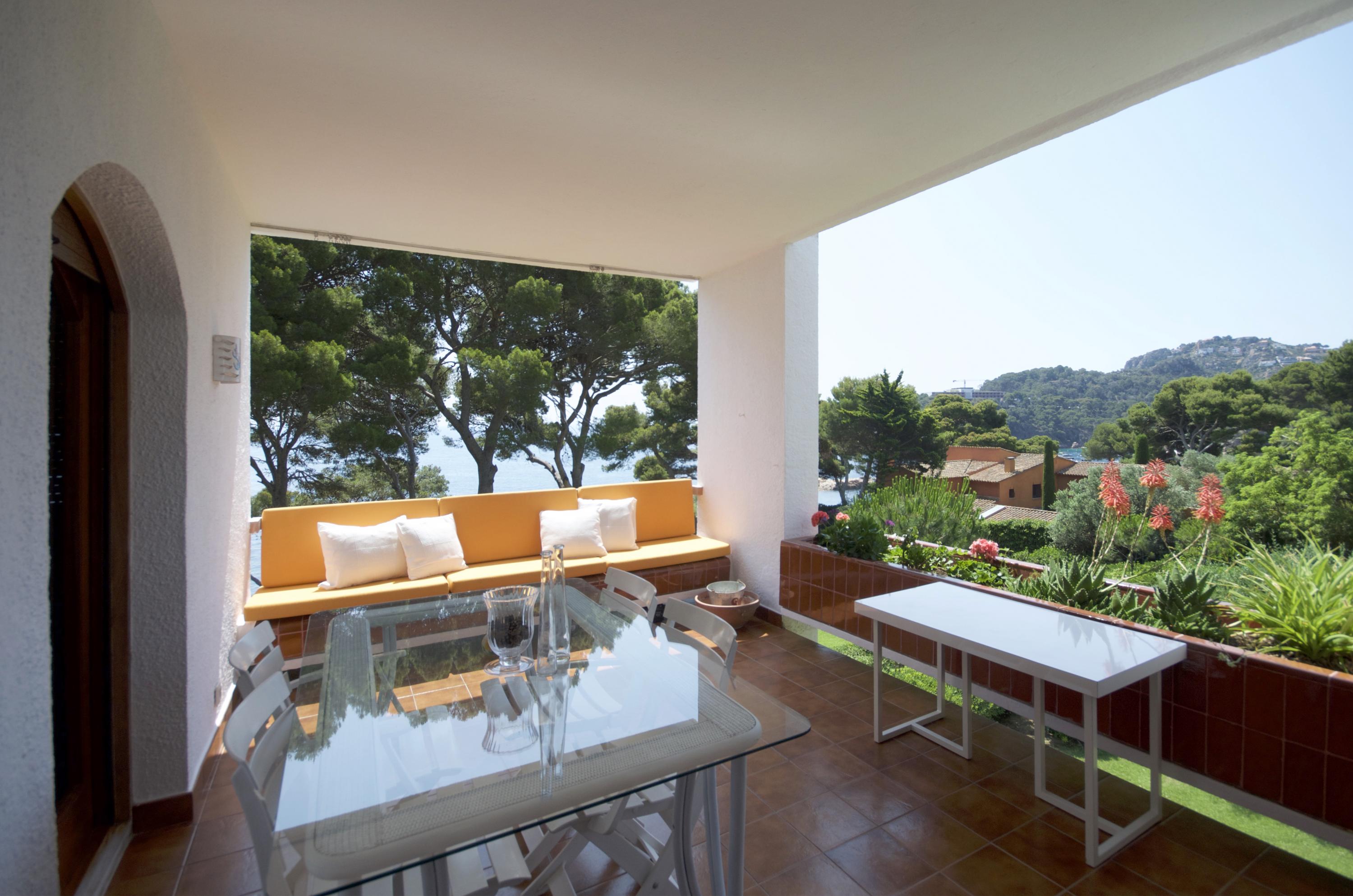
Apartment in Begur
Apartment with fantastic sea-view and direct walking access to the sea and to one of nicest...